Where liquidation pallets come from, why retailers sell them, the difference between returns, overstock and shelf pulls, and what a first-time buyer should realistically expect.
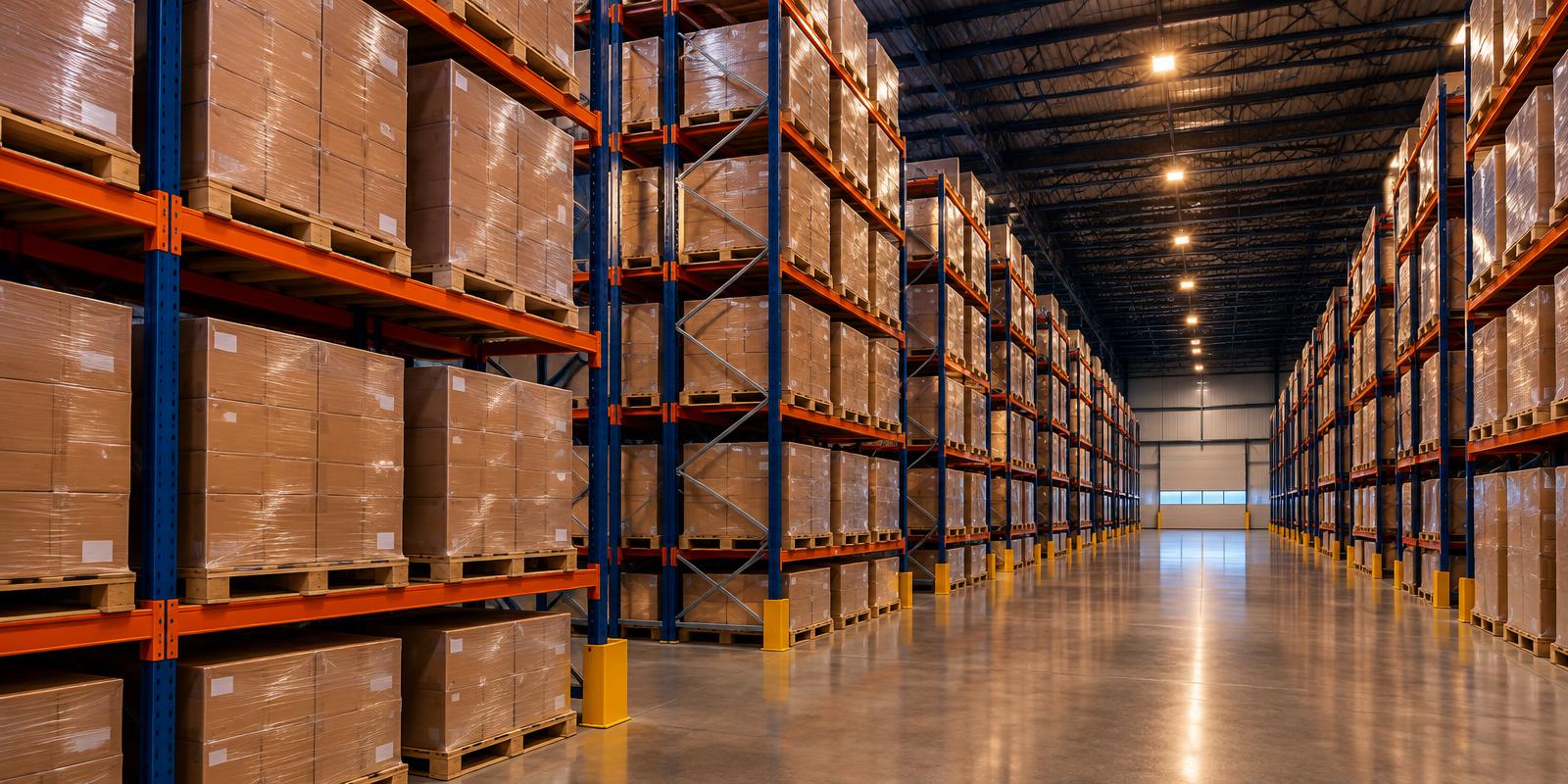
A liquidation pallet is a wooden pallet (usually about 48 by 40 inches) stacked with merchandise that a retailer, distributor or manufacturer no longer wants to sell through its normal channel. The goods are sold in bulk, at a fraction of the original retail price, to liquidators, resellers, small shops and individual buyers.
It sounds simple, but the details make the difference between a profitable load and a garage full of junk. This guide explains the whole picture.
Why does liquidation merchandise exist?
Retail stores and online sellers deal with huge volumes of goods that cannot go back on the shelf at full price. The National Retail Federation's research has repeatedly put total U.S. retail returns in the hundreds of billions of dollars per year. Returns are only one source. Merchandise also becomes "excess" because of:
- Customer returns — items sent back for any reason, from "changed my mind" to "broken".
- Overstock — the store ordered more than it could sell.
- Shelf pulls — items removed from shelves for a new season or a packaging change.
- Closeouts and discontinued lines — the product is no longer being made or carried.
- Seasonal leftovers — holiday decor in January, pool toys in October.
- Damaged-box and freight-damage goods — the product may be fine but the box is not.
For a large retailer, processing every single return or leftover item one at a time costs more than the items are worth. Selling them by the pallet or truckload is faster, frees warehouse space and recovers some value.
Who sells liquidation pallets?
Merchandise usually moves through several hands:
- The original retailer or brand sells large loads, often by the truckload, to big liquidators or through B2B auction platforms.
- Liquidators sort, grade and break those loads into pallets and smaller lots.
- Resellers, flea-market vendors, bin stores, online sellers and bargain hunters buy those pallets.
Each step adds handling cost and margin. Buying from a liquidator means you pay a bit more than the first buyer of a truckload, but you get smaller quantities, inspected or graded loads, local pickup options and someone to call.
The main types of loads
- New / overstock: unused items, usually in original packaging. Highest price, lowest risk.
- Shelf pulls: generally new items pulled from store shelves; packaging may be worn or dated.
- Customer returns: anything a customer returned. Could be like new, used, missing parts or broken. Medium risk, often the best value.
- Open box: package opened, item typically complete and tested or appears unused.
- Refurbished: repaired or restored, typically tested.
- Salvage: damaged, defective or untested goods sold for parts, repair or scrap. Highest risk, lowest price.
Every listing on our site shows one of these condition grades so you know which kind you are buying.
Manifested vs. unmanifested
A manifest is a list of what is in the load — usually item descriptions, quantities and sometimes the original retail price. A manifested pallet lets you estimate your resale value before you buy. An unmanifested pallet is sold without a list; you are buying the category and condition, and the exact contents are a surprise. Unmanifested lots usually cost less to make up for that uncertainty. We explain both in depth in our separate manifest guide.
What a pallet actually costs you
The price on the listing is only part of the total. Plan for:
- The pallet price itself.
- Freight shipping (often the second biggest cost — a full pallet is heavy and bulky).
- Sales tax where it applies.
- Your time sorting, testing, cleaning, photographing and listing items.
- Disposal costs for items that are broken or unsellable.
- Selling fees on the platforms where you resell (marketplace, auction or payment fees).
A pallet that "costs $400" can easily cost $650 or more once it is sitting in your garage. Work out your total landed cost before deciding whether a lot is a good deal.
What to realistically expect from your first pallet
- Some items will be excellent and sell quickly.
- Some will be fine but slow.
- Some will be missing parts, damaged or unsellable — especially in customer returns.
- Your profit comes from the average across the whole pallet, not from any single item.
Experienced resellers think in terms of "cost per item" and "sell-through rate", not jackpots. Videos showing one pallet with a stack of expensive gadgets are entertaining, but they are not a reliable picture of the average load.
Who buys liquidation pallets?
- Online resellers on marketplaces and social selling apps.
- Flea-market and swap-meet vendors.
- Bin stores and discount stores.
- Small retailers looking for cheap inventory.
- Exporters who ship goods overseas.
- Individuals furnishing a home or buying gifts in bulk.
How to start safely
- Start with one pallet in a category you understand and can resell locally.
- Prefer new, overstock or shelf-pull loads for your first buy; save salvage for later.
- Calculate total landed cost including freight before you buy.
- Buy from a seller with a real address, a working phone number and written policies.
- Keep your first pallet's results in a spreadsheet so your second purchase is smarter.
If you have questions about any specific lot on our site, call us at +1 (612) 203-5917. We would rather you buy the right pallet than the wrong one.
Frequently asked questions
Are liquidation pallets legal to buy and resell?
Yes. Buying surplus and returned merchandise and reselling it is a normal, legal business in the United States. Some states require a resale certificate or sales tax permit if you resell, so check with your state's revenue department.
Do I need a business license to buy pallets?
Many sellers, including us, will sell to individuals. If you plan to resell regularly, you will usually need a sales tax permit and should keep records for income tax.
Can I choose what is inside a pallet?
Only if it is manifested. Unmanifested lots are sold as-is with no itemized list; you choose the category and condition, not the specific items.
Sources & further reading
Written by the Pallet Liquidation Nation team, Palatka, FL. General information only — not legal, tax or financial advice. Last reviewed 2026-11-05.